

Table of Contents
There’s a moment early in most relationships when someone tells you something small and true. That they’re bad with money. That they hate confrontation. That they still call their mother every Sunday without fail.
And then, days later, you find out whether they remembered.
That’s it. That’s most of trust. Not a grand promise, not a speech about forever. A person quietly proving they were listening.
It grows when someone remembers what mattered to you. When they tell you something uncomfortable instead of something easy. When your bad day doesn’t become an inconvenience to manage. When they admit, without being cornered into it, that they got something wrong.
It grows when you can say, “This hurt me,” and the other person doesn’t immediately make you regret saying it.
And it can wear down just as quietly. A joke at your expense in front of people. A promise postponed one too many times. A question met with defensiveness instead of an answer. Affection that only shows up when everything is easy.
No single moment defines a relationship. But moments accumulate. Eventually they teach you what to expect. That expectation is the whole of trust.
Trust isn’t the belief that your partner will never disappoint you. It’s the belief that they care about the effect they have on you. That their words and their actions mostly match. That they can be honest without being cruel. And that when something breaks between you, they’ll actually help fix it.
This guide is about how trust forms, what quietly wears it down, and how two people rebuild it once it’s cracked. Written mainly for romantic partners, though most of it holds for close friendships and family too.
Worth saying plainly: trust should never require you to tolerate intimidation, coercion, violence, stalking, or control. None of the exercises below are a substitute for safety. If honesty could put you at risk, protect yourself first.

What Trust Actually Means
To trust someone is to hand them a small piece of leverage over you and hope they don’t use it.
You can’t fully control whether someone keeps a confidence, respects a boundary, tells the truth, or handles your feelings with care. Trust is choosing to live with that anyway, because experience has given you enough reason to expect good faith.
In a relationship that’s actually working, trust tends to sound like a short list of quiet beliefs:
- I believe you’ll be honest with me.
- I believe your behavior is reasonably consistent.
- I believe my feelings actually matter to you.
- I believe you’ll respect my boundaries.
- I believe you won’t use what I’ve told you against me.
- I believe we can fight about something without the relationship becoming unsafe.
- I believe you’ll own it when you cause harm.
- I believe I get to stay myself while being close to you.
This is why trust is bigger than fidelity. Exclusivity might be part of what a couple agrees to, but trust also lives in money, privacy, parenting, reliability, conflict, and a hundred ordinary Tuesdays.
Someone can be faithful and still be emotionally unreliable. Someone can love you and still steamroll your boundaries.
Love and trust overlap. They aren’t the same thing.
You can love someone you don’t currently trust. You can trust someone’s intentions completely while not trusting their follow-through at all.
So the useful question isn’t just “do I trust my partner.” It’s narrower than that: what do I trust them with?
Your heart? Money? Your worst days? A hard truth? Trust can be solid in one part of a relationship and thin in another, and naming exactly which part makes any repair a lot more specific than “I don’t trust you anymore.”
Trust Is Built in Patterns, Not Speeches
Promises matter. Apologies matter. But trust is shaped by patterns, and patterns only show up over time.
Say your partner tells you, “you can always talk to me.” Nice sentence. What actually teaches you whether it’s true is what happens the next time you do talk to them.
Do they look up from their phone? Do they get irritated? Do they try to understand before jumping to fix it? Do they bring your vulnerability back up as ammunition in the next fight?
Words describe a relationship. Patterns reveal it.
There’s a body of research on something psychologists call perceived partner responsiveness, which is really just a formal name for a simple feeling: does the person on the other side of this conversation actually get it. Sharing something personal doesn’t create closeness by itself. What creates closeness is finding out, afterward, that it was safe to say.
That’s why trust usually gets built in small interactions, not big ones:
- You mention a rough day, and they ask what happened.
- You say you’re not ready to talk about something, and they let it go.
- You mess up, and they address it without humiliating you for it.
- You share good news, and your joy gets to be the whole point for a second.
- You disagree, and neither of you threatens the relationship to win.
These moments look ordinary. They’re not. They’re evidence.
The Bonded TRUST Framework
We use five connected pieces to make trust easier to actually practice, not just admire from a distance.
T — Truth. Can we be honest about what happened, what we feel, and what we can realistically offer?
R — Reliability. Do our actions give each other a reasonable basis to expect we’ll do what we say?
U — Understanding. Are we still curious about each other’s inner world, or did we stop looking?
S — Safety. Can either of us have a feeling, a boundary, or a bad day without it turning into punishment?
T — Tending. When we drift, do we notice? And do we come back?
Each one leans on the others. Truth without understanding turns into bluntness. Understanding without truth turns into avoidance. Reliability without safety turns into control. Tending without accountability turns into a nice feeling that doesn’t actually change anything.
Practiced together, they hold. Practiced alone, each one quietly breaks.

Truth: Honest Without Being Cruel
Honesty is more than just not lying outright. It’s saying the true thing even when the comfortable thing is right there. It’s correcting a misleading impression nobody asked you to correct. It’s admitting you’re not sure instead of pretending certainty.
Compare “I’m fine” to “I’m overwhelmed and I don’t understand it well enough to talk yet, can we come back to this tonight.” Both create a little distance in the moment. Only one gives the other person something true to hold onto.
Honesty doesn’t mean narrating every thought in your head. You’re allowed an interior life. You’re allowed to process before you speak, to keep someone else’s confidence, to say “I’m not ready to share that yet.” Privacy is legitimate. Secrecy is different — it hides something that actually affects the other person.
A simple test: would keeping this quiet stop my partner from making an informed decision about something that matters to them? If yes, the silence has started doing the work of a lie.
Practice: The Honest Sentence
Finish one of these without adding blame:
- Something I’ve been afraid to say is…
- The part I haven’t explained clearly is…
- I said yes, but the more honest answer is…
- I made a mistake when…
The listener’s job isn’t to agree instantly. It’s to make the truth survivable. Try: “Thank you for telling me. I might need a minute to sit with this, but I want to understand.”
Reliability: Let Your Life Back Up Your Words
Reliability isn’t perfection. It’s a decent match between what you say and what you actually do.
Trust usually erodes through small broken agreements, not big dramatic ones. “I’ll call you later.” “I’ll take care of it.” Each one looks minor on its own. Repeated enough times, the other person just stops leaning on your words at all.
That’s how a painful loop starts: one person becomes the reminder, the checker, the one chasing follow-through, while the other feels cornered and pulls back further. Both end up arguing about tone while the real problem, unreliability, sits underneath untouched.
The fix isn’t grander promises. It’s smaller, more honest ones.
Not “I’ll never forget again,” but “I’ve forgotten this twice, so I’m putting it in our shared calendar right now and confirming it tomorrow.” Not “I’ll always be there,” but “tell me if you want listening, advice, or actual help, because I won’t always guess right, but I’ll ask.”
The Three-Part Reliability Practice
For any agreement, name three things out loud: exactly what will happen, by when, and what happens if circumstances change.
“I’ll transfer my half of the rent by the 28th. If there’s a problem, you’ll hear about it by the 25th, not the day it’s overdue.”
That’s not a romantic sentence. It’s a trustworthy one.
When You Can’t Keep a Promise
Say so as early as possible. A broken agreement someone discovers on their own feels completely different from one you renegotiated out loud.
“I said I’d have this done by Friday, and I won’t. I should’ve told you sooner. Here’s what happened, and here’s the new commitment I can actually keep.” Don’t bury the change in excuses. Just name what it costs the other person.
Understanding: Actually Learn the Person You’re Loving
Closeness doesn’t automatically produce understanding. Time can just as easily calcify into a set of outdated conclusions: you always need space, you hate talking about feelings, I already know what you think.
People change. Their fears change. What used to bother them stops, and something new starts. Understanding someone takes ongoing curiosity, not a one-time download.
It doesn’t mean agreeing with every interpretation. It means describing their experience accurately enough that they recognize themselves in it.
Before responding to something difficult, try: “can I tell you what I think you’re saying, so I know I’ve got it.” Then something like: “you’re not just upset I was late. You felt unimportant because I didn’t message, and it reminded you of other times you were left waiting. Is that close?”
That phrase, is that close, does a lot of work. It leaves room to be corrected.
Understanding Isn’t Mind-Reading
“You should just know” usually hides something real underneath it: I want to feel known without having to fight for every scrap of care. That longing makes sense. But even a trustworthy relationship still needs language.
Try replacing the test with an actual request: “when I go quiet after a hard day, I usually want you to come closer and ask once. If I say I need space, believe me, but the first gentle check-in is what makes me feel cared for.” That gives your partner an actual map instead of a pop quiz.
Questions That Build Understanding
- What’s felt heavy for you lately?
- Where do you feel most alone, even around me?
- What do you wish I noticed more often?
- What are you protecting when you get defensive?
- What would make this feel more like a team?
Don’t ask all of these in one sitting. Pick one. Let it breathe.

Safety: Closeness Without Losing Yourself
Emotional safety means you can be a full person in the relationship without bracing for ridicule, punishment, or being frozen out. It doesn’t mean nobody ever gets upset.
A safe partner can feel hurt, angry, or overwhelmed. The difference is their emotion doesn’t become permission to erase your dignity.
In a trusting relationship, both people get to say no, change their mind, keep separate friendships, ask for time, disagree, make ordinary mistakes, and walk away from a conversation that’s turning destructive, as long as they come back to it.
Boundaries Build Trust
A boundary isn’t a demand that controls someone else. It’s a statement about what you’ll participate in and what you’ll do to protect yourself.
A boundary sounds like: “I want to keep talking, but not while we’re calling each other names. I’m taking twenty minutes, and I’ll be back at 8:30.” A controlling demand sounds like: “you’re not allowed to leave this room until I’m finished.” Healthy trust needs both connection and freedom, at the same time, on purpose.
Confidentiality
When someone tells you something vulnerable, ask whether it’s shareable. “Is this private between us, or are you okay with me talking to someone I trust about it?” Ordinary vulnerability shouldn’t turn into social currency.
Safety Is Mutual, Not Always Symmetrical
Both people carry responsibility, but that doesn’t flatten out when one person has caused real harm or holds more power. If someone lied, controlled shared money, or crossed a consent line, “we both need to communicate better” quietly erases what actually happened. Repair starts with accurate responsibility, not a shared, softened version of events.
Tending: Notice the Relationship While You’re Living Inside It
Relationships rarely collapse over one bad conversation. More often, distance grows because small attempts at connection keep getting missed.
“Look at this.” “I had the strangest dream.” “You seem far away.” These are invitations, even the clumsy, badly-timed ones. Underneath most of them is one quiet question: are you here with me?
You can’t catch every invitation. Nobody can. Trust grows when the overall pattern says: you matter enough for me to notice, and when I miss you, I’ll come back.
The Return Matters
If your partner starts talking while you’re mid-task, turning toward them doesn’t have to mean dropping everything. It can mean: “I want to hear this, give me fifteen minutes to finish, then tell me over tea.”
The trust-building part isn’t the fifteen minutes. It’s actually coming back in fifteen minutes.
The Daily Ten
Spend ten minutes a day with no screens and no logistics. Ask: what stayed with you from today, what took energy from you, is there anything you need from me tonight. Not a performance review. Just staying current on the person you love.
Signs of Trust in a Healthy Relationship
Trust is probably present when you can be honest without rehearsing every sentence out of fear. When your partner’s words are usually backed up by what they actually do. When apologies come with changed behavior, not just an apology. When mistakes get discussed instead of filed away as permanent evidence.
Trust doesn’t mean you never feel jealous or uncertain. It means those feelings can be talked about without running the relationship.
Behaviors That Quietly Damage Trust
Repeated small lies. People minimize them because the subject seems unimportant, but the other person’s mind goes somewhere specific: if it was that small, why did it need hiding? The damage is usually the new uncertainty, not the lie itself.
Defensive reversal. You raise a concern and somehow end up on trial for raising it. “Why are you so insecure.” “You do the same thing.” Defensiveness is human. Repeated reversal is what blocks accountability entirely.
Inconsistent affection. Warmth followed by unexplained withdrawal makes closeness feel conditional. The fix isn’t constant availability, it’s just saying the quiet part out loud: “I’m overloaded today and quieter than usual. We’re okay. I need a little space and I’ll reconnect after dinner.”
Public disrespect. Teasing that exposes a private insecurity, or telling someone’s story without permission, creates a humiliation that outlasts the moment itself.
Monitoring disguised as care. Passwords demanded under pressure, tracking, interrogating friendships. It gets called reassurance. It’s actually surveillance, and it replaces trust instead of building it.
Threatening the relationship mid-fight. “If you leave this room, we’re done.” This turns every disagreement into a survival test, which teaches the other person that honesty itself is dangerous.
Emotional bookkeeping. Every old mistake kept on file as a weapon. Accountability needs memory. Repair needs that memory to stop being a life sentence.

How to Build Trust in a New Relationship
Early trust should be gradual. Intensity isn’t the same thing as safety. Chemistry isn’t evidence of reliability. You can feel deeply familiar with someone before you’ve ever seen how they handle disappointment or conflict.
Let Trust Match the Evidence
You don’t need to distrust everyone by default. You also don’t need to hand over full access on day one. Let it grow as you actually watch: do they respect “no.” Do they tell you small truths unprompted. How do they talk about people they used to date.
Share in Layers
Vulnerability isn’t a race. Share something moderately personal, notice the response, see whether it stays confidential, and decide from there whether to go deeper. A healthy person never demands your most painful story as proof you’re serious about them.
Talk About Expectations Early
Trust grows when assumptions turn into actual agreements: exclusivity, communication frequency, money, privacy, what commitment means right now. These conversations don’t remove uncertainty. They remove the avoidable kind.
How to Build More Trust in an Existing Relationship
You probably don’t need a dramatic reset. You need better repetitions.
Name the area. Not “I just don’t trust you,” but “I trust your commitment to us, I don’t yet trust that money problems get shared before they turn into emergencies.” Specific trust gets repaired with specific behavior.
Identify the evidence. What happened, how often, what did it teach you to expect. Don’t use “that’s just your past talking” to wave off a pattern that’s actually happening right now.
Make one observable agreement. Not “communicate better,” but “if either of us runs more than thirty minutes late, we text the second we know.”
Review it after two weeks. Did we do it. Did it help. Does it need adjusting.
Add warmth on purpose. Trust can’t live entirely inside problem-solving. Say “I noticed you did what you said” out loud. Positive feedback is what makes trustworthy behavior stick as part of who you are together, not just a fix you’re both grinding through.
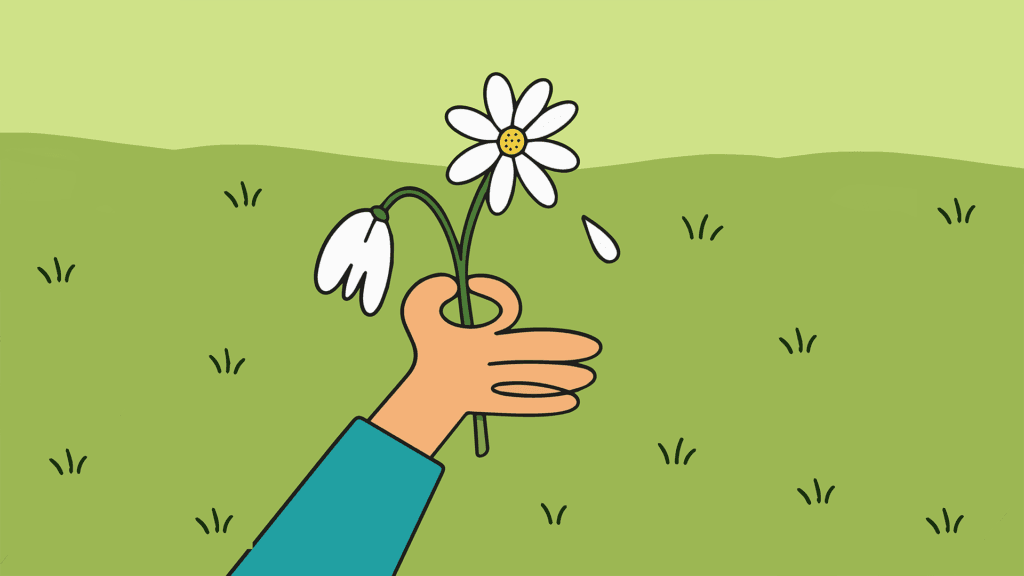
How to Rebuild Trust After It’s Been Broken
A forgotten commitment and an affair don’t get the same repair plan. But meaningful repair tends to share a few real steps.
Stop the harm first. An apology offered while the behavior continues isn’t repair, it’s noise.
Tell the truth, all at once if possible. “Trickle truth,” revealing only what’s already been discovered, injures someone over and over, because every new piece teaches them the last version was still incomplete.
Take responsibility without editing the injury. A strong apology names what happened, why it was wrong, how it landed, and what changes now. “I told my friend something you asked me to keep private. That broke an agreement and exposed you without your consent. I understand why you don’t feel safe telling me things right now. I’ve told my friend not to repeat it, and I won’t discuss your private life with anyone again without checking first.” Skip “I’m sorry you feel that way” entirely. It isn’t an apology, it’s a redirect.
Let the injury have its own timeline. The person who caused harm often feels relief right after confessing. The person who was hurt is usually just starting to process. Repair can’t be rushed to make the responsible person more comfortable.
Create new evidence. Trust comes back when reality starts behaving differently, repeatedly. If money was the breach, that’s shared visibility. If it was disappearing during conflict, that’s a time-out with an actual, honored return.
Decide if reconciliation is genuinely wanted. Rebuilding trust doesn’t always mean staying together. A relationship can end with honesty and dignity intact. Forgiveness, when it happens, doesn’t obligate anyone to reconciliation.
What Trust Is Not
Trust is not constant access to someone’s phone, location, or every private thought. It is not the absence of jealousy — jealousy is a feeling, trust is how you handle it. It is not blindness to real evidence. It is not agreement on every topic. It is not forgiveness on demand. And it is not silencing your own instincts to keep the peace — that’s not trust, that’s compliance wearing trust’s clothes.
Trust and Attachment
People walk into relationships with different default settings around closeness. Someone with more anxious tendencies gets alert to distance fast and reads silence as a warning sign. Someone more avoidant experiences dependence as risky and tends to go quiet exactly when things get intense.
Neither pattern is a permanent identity, and neither is an accusation. Instead of “you’re avoidant, so you never care,” try: “when I get unsure, I reach for more contact. When you feel pressured, you step back. Then we both make it worse. What would help us both feel safer?”
For the person reaching: “I’m feeling uncertain and want reassurance, so I’m going to just ask for it instead of testing you.” For the person pulling back: “I’m overwhelmed and need thirty minutes. I’m not leaving. I’ll be back at 7.” Security grows through clear signals and a reliable return, not through never needing anything at all.
Trust and Conflict
Conflict isn’t the opposite of trust. Some of the strongest trust gets built exactly when two people discover that disagreeing doesn’t have to destroy the relationship.
Compare “you never think about anyone but yourself” to “I felt alone handling everything tonight, I need us to make a clearer plan tomorrow.” The second one doesn’t guarantee calm. It just gives the conversation a door instead of a wall.
A repair attempt is any genuine try at stopping the spiral: “can we start again.” “That came out harsher than I meant.” “I’m on your side.” Repair attempts work best when a couple has actually agreed, ahead of time, to notice them. Pick a shared phrase for it — something like “same team” — and use it as a reminder, never as a way to shut down a real complaint.
Trust-Building Exercises for Couples
The Trust Map. Separately rate trust 1 to 10 across honesty, reliability, money, conflict, autonomy, and intimacy. Compare. Anywhere the gap is bigger than two points, ask what experiences shaped that number. Don’t argue about who’s right. The gap itself is the information.
One Promise Small Enough to Keep. Each person picks one seven-day promise. Send a message when leaving work. Put the phone away for the first ten minutes of dinner. At the end of the week, talk about what it taught you.
The Listening Turn. Five minutes on a timer. One person answers “what’s been hard for me to say lately.” The other can only ask clarifying questions, reflect, or say thank you. Then switch. Validation isn’t agreement, it’s recognizing the experience makes sense from where they’re standing.
The Repair Menu. Each person finishes: “when we’re disconnected, this helps me come back.” A sincere apology. Physical affection. A short pause. Being asked questions. Build a shared menu, since the same repair rarely works for both people.
The Weekly Trust Check-In. When did you feel close to me this week. Was there a moment you felt dismissed or alone. Did I break a promise. Keep it under thirty minutes unless you both want more.

50 Questions That Can Help Build Trust
Arranged gentle to more vulnerable. Either person may pass, always.
Everyday Reliability
- What makes someone feel dependable to you?
- Which small promises matter more than people realize?
- What responsibility feels uneven between us right now?
- What’s one thing I consistently do that helps you relax?
- What kind of lateness feels understandable, and what feels disrespectful?
- How should we handle it when plans change last minute?
- What does “showing up” actually mean to you?
- Where could we make our expectations of each other clearer?
- What’s one commitment we should stop making because it’s not realistic?
- What’s a promise I’ve kept that mattered more than I probably realized?
Emotional Safety
- What helps you feel safe enough to speak honestly?
- What kind of response makes you shut down?
- When you’re upset, do you want questions, comfort, solutions, or space?
- What’s the hardest subject for you to bring up?
- How can I disagree with you without making you feel alone in it?
- When have you felt fully accepted by me?
- What does emotional safety actually look like during a fight, for you?
- What would help you tell me sooner when something’s wrong?
- What kind of reassurance feels real versus performed?
- What boundary do you wish people understood more easily?
Understanding
- What part of my inner world do you feel like you get?
- What part do you think you still misread?
- What have you changed your mind about this year?
- What pressure are you carrying that I might not fully see?
- What do you wish I asked about more often?
- What does care look like when you’re exhausted?
- When do you feel most like yourself around me?
- What experience from your past still shapes how you trust people?
- What assumption about you would you like me to drop?
- What’s something you’ve outgrown that people still expect from you?
Boundaries and Autonomy
- What privacy actually matters to you in this relationship?
- What do you need to feel independent while still being close to someone?
- What does a healthy friendship outside us look like to you?
- What should always get discussed before either of us decides something?
- What feels controlling to you, specifically?
- Where do we need a clearer agreement than we currently have?
- How should we handle each other’s confidential stories?
- When you say no, what response makes you feel respected?
- How do we tell the difference between reassurance and surveillance?
- What part of your life do you want more ownership over?
Repair and Commitment
- What makes an apology land as believable for you?
- What makes it hard for you to forgive?
- When we hurt each other, what do we tend to do right after?
- Is there a small, unresolved hurt still sitting between us?
- What have I done that actually rebuilt trust after a hard moment?
- What pattern should we interrupt before it gets bigger than it is?
- What agreement would make this relationship feel safer right now?
- What does commitment mean to you today, not five years ago?
- What’s one way we can protect our trust this week?
- What’s something you’ve never told me because you weren’t sure it was safe to?
When You Struggle to Trust Even Without a Current Breach
Sometimes a caring, genuinely reliable relationship still feels dangerous. Past betrayal, unpredictable caregiving, or old controlling relationships can shape what your nervous system expects, regardless of what’s actually happening in front of you.
That doesn’t mean you’re broken, and it doesn’t mean your partner has to surrender every boundary to prove nothing bad will ever happen. Two things can build alongside each other: your partner builds credible safety through consistency and patience, and you build tolerance for uncertainty by checking whether this feeling is current evidence or an old alarm going off.
A useful sentence for the second part: “this feeling is real. I’m still checking whether the danger is current.” Self-trust matters here too, because no partner can promise you’ll never get hurt again. Trust also means trusting yourself to notice problems, ask questions, and survive disappointment without abandoning yourself in the process.
When Couples Therapy May Help
Worth considering when the same breach keeps getting relitigated with no movement, when conflict includes contempt or threats, when trust issues involve addiction or serious financial secrecy, or when you both want repair but can’t build a safe process alone. Couples therapy isn’t the right default for active coercive control or violence — that calls for individual safety support instead.
A Seven-Day Trust Reset
Not built for severe betrayal or unsafe relationships — this is a gentle reset for couples who just feel a little disconnected lately.
Day 1. Each person finishes: “I feel able to trust our relationship when…” Share it without debating it.
Day 2. Keep one small, observable promise.
Day 3. Ask: “what’s been taking up more emotional space than I realize?” Then just listen, no fixing.
Day 4. Clarify one boundary, around time, privacy, or family.
Day 5. Notice one bid for attention and actually meet it, fully present.
Day 6. Name one small repair: “I realized I was dismissive yesterday. You were telling me something and I looked at my phone. I’m sorry, tell me again?”
Day 7. Build a weekly ten-to-thirty-minute connection ritual.
Trust doesn’t shift because seven days are magic. The week is just a way to start generating new evidence.
The Quiet Truth About Trust
Trust gets described as a foundation sometimes, like a couple builds it once and lives safely on top forever.
But it’s more alive than that.
It gets renewed every time you tell the truth kindly. Every time you return after needing space. Every time you say “I was wrong” and actually make the next moment different.
It gets renewed when your partner reaches for you in some small way, and you notice.
No relationship offers perfect certainty. People change. Even loving people mess up.
The goal was never a relationship where nothing goes wrong. The goal is one where the truth can still be spoken, where autonomy survives closeness, and where repair is more than just a word people say.
Trust is not one leap.
It’s two people, choosing again and again, to become safer places for the truth.
The framing above draws on real research, not just intuition. Jean-Philippe Laurenceau’s work on intimacy as an interpersonal process is where the idea of perceived partner responsiveness comes from. Mario Mikulincer and Phillip Shaver’s research on attachment and emotion regulation shapes most of the anxious and avoidant language above. And the Gottman Institute’s writing on repair attempts is where the same team idea traces back to.
FAQ: Building Trust in a Relationship
How long does it take to build trust in a relationship?
There is no universal timeline. Early trust develops as people observe honesty and follow-through across different situations. Rebuilding trust after a breach usually takes longer, since the injured person starts from evidence that trust was unsafe, not from neutral ground. Look for behavioral progress, not a deadline.
Can trust come back after cheating?
Sometimes, though not always. Recovery generally requires the outside relationship to truly end, real accountability, new boundaries, and sustained behavior change from both people. Reconciliation is never owed, and progress is rarely a straight line.
Should couples share passwords to build trust?
Password sharing can be a mutual choice or part of a temporary repair plan, but it does not create trust on its own. If access is demanded through fear or pressure rather than offered freely, it functions as surveillance rather than trust.
How do I know if I am insecure or my partner is untrustworthy?
Both can be true at once. Look for real patterns: does your partner lie, break agreements, or reverse blame when you raise a concern. Also notice whether your fear stays intense despite consistently trustworthy behavior. A therapist can help separate current evidence from old expectations.
Can a relationship work without complete trust?
Trust is rarely total in any relationship. Most contain areas of real uncertainty, and that is survivable when both people can name those areas honestly. What a relationship struggles to survive is the absence of basic safety, honesty, or respect.
You might also enjoy:
- Why Vulnerability Creates Intimacy
- Questions for Couples: 150+ Questions to Ask the Person You Love
- Date Night Questions
TRY THIS TOGETHER
Start a Trust and Closeness session in Bonded
Choose one question: what is one small thing I do that helps you trust me, and one small thing that would help you trust me more? Answer uninterrupted, then switch. Either person may pass.